When Stress Shows Up in Your Jaw

Before you read on, notice your teeth. Are they pressed together?
Sometimes the first sign that you’ve been clenching is the relief you feel when you stop. You may be answering emails, sitting in traffic, or concentrating on a deadline. By the time you close your laptop, your jaw feels as tired as the rest of you.
Clenching and grinding are called bruxism. They can happen while you’re awake or asleep. Stress can contribute, but so can other factors, including caffeine and certain medications.
Care for the symptom and look at the pattern
Chinese medicine uses the idea of “root and branch” to distinguish an underlying pattern from its symptoms. For jaw tension, that offers a useful starting point: ease the discomfort while looking at what may be contributing to it. At Evoke, daily routines are part of that conversation.
Notice when the tightness appears. Are you comfortable at breakfast but sore after meetings, or already aching when you wake up? The timing is useful to share with your dentist or practitioner. For clenching you catch during the day, here are three places to start.
1 Catch the clench before the soreness
You don’t have to wait until your jaw hurts to check on it. Between chewing and swallowing, let your teeth rest slightly apart. If they’re pressed together, gently release them without forcing your mouth open.
Choose one cue that’s already part of your day: finishing a call, opening your inbox, or waiting for the kettle. A small “teeth apart” note beside your screen can help, too.
If you notice the habit again ten minutes later, release it again. You’re learning to recognize something that used to happen without your attention.
2 Give sore muscles a quieter afternoon
If your jaw is uncomfortable, skip the gum and notice whether you chew on pens or bite your nails. Temporarily choose foods that need less chewing, such as eggs, soup, or oatmeal, instead of chewy bread or tough snacks.
A comfortably warm washcloth against the sore area may feel soothing. Keep it warm rather than hot, and stop if discomfort increases. Avoid pressing hard into tender areas or forcing a stretch. If you need jaw exercises, a dentist or physical therapist can guide you.
3 Keep the tea break and reconsider the caffeine
An afternoon cup can be a welcome pause. It’s worth noticing what’s in it: coffee, black tea, and green tea contain caffeine, one of the factors associated with bruxism.
If you drink several cups throughout the day, try making one smaller or choosing decaf or a tea labeled caffeine-free. Keep the ritual of stepping away from your screen.
Try one change for a week and make a quick note of how your jaw feels by evening. You’re looking for a pattern, not judging a single good or difficult day. Those notes can also make a conversation with your dentist or practitioner more useful.
When your jaw needs more than a pause
Persistent pain, tooth sensitivity, or difficulty opening your mouth deserves a dental assessment. Seek prompt care if your jaw locks. Mention morning soreness or grinding during sleep, too; daytime reminders won’t address nighttime habits.
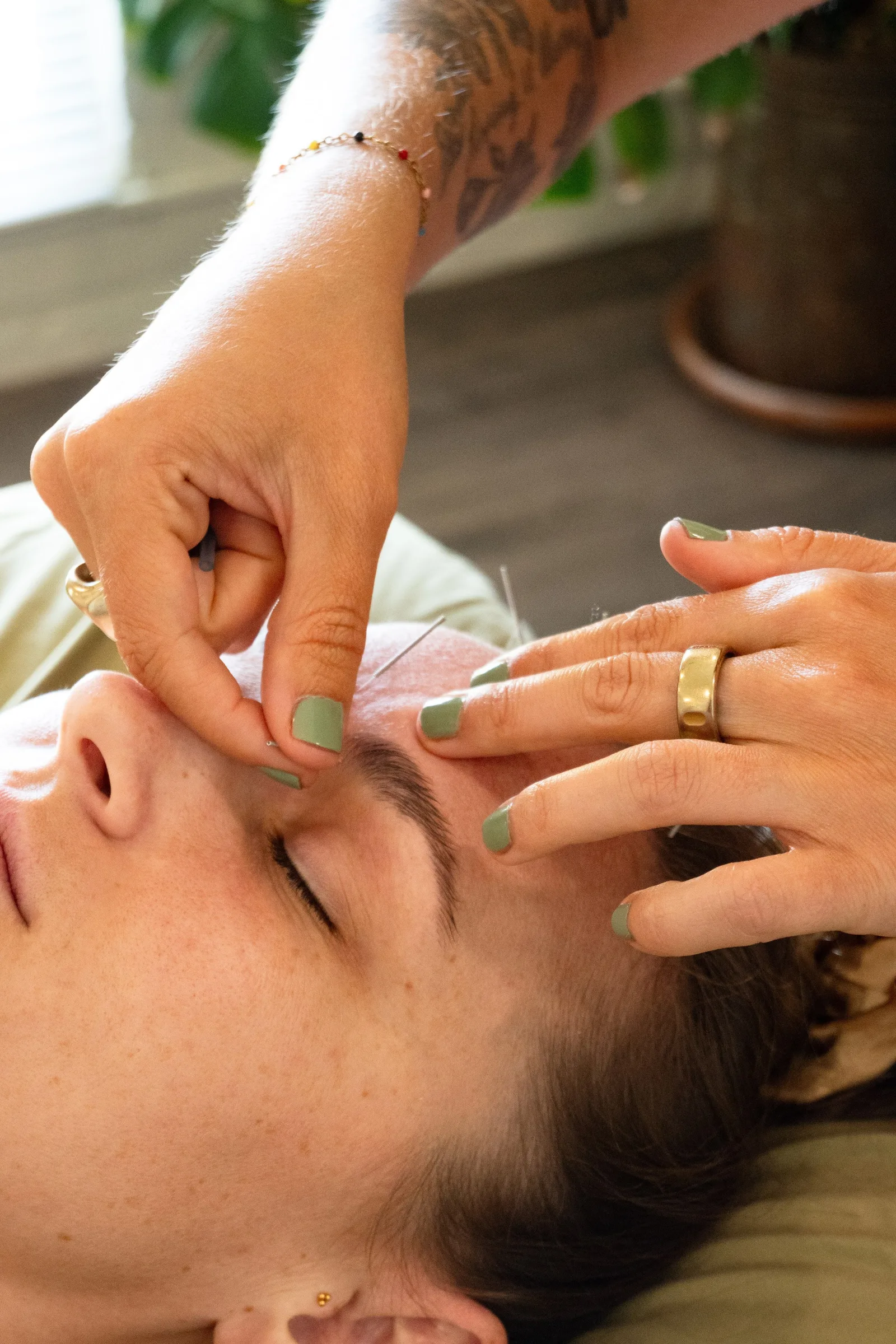
If acupuncture is part of your care, share what you’ve noticed and any dental recommendations with your practitioner. The aim is a plan that fits your symptoms and circumstances.
Start with your next cup of tea. While it brews, notice whether your teeth are pressed together and gently let them separate. Your day may still be busy, but your jaw can take a break.