Whole Body Health
Care for the way you move,
rest, and feel.

Women’s Health
A woman’s body goes through significant hormonal shifts on a monthly basis and especially during pregnancy, breastfeeding, and menopause. These hormonal shifts, if not harmoniously orchestrated, can cause uncomfortable signs and symptoms.
Issues With Menstruation
Menstruation is wonderful indicator of the health of the body. A smooth, easy, and painless period is ideal. Any PMS, pain, or discomfort is an indication of subtle imbalances within the body. Short or absent periods may indicate a deficiency in blood or anemia, painful periods indicate a blockage in energy and blood, PMS symptoms can be an indicator of chronic stress, and irregularity in the cycle tells us about hormonal imbalances.
Acupuncture and herbal medicine have effectively treated these conditions for thousands of years. We love sharing the wisdom of Chinese medicine with our female patients to relieve period problems and allow them to live full and uninhibited lives.
Premenstrual Syndrome (PMS)
Premenstrual Syndrome is characterized by a set of hormonal changes that trigger disruptive symptoms in women for up to two weeks prior to menstruation. Constant physical and emotional demands combined with environmental and societal factors can offset a woman’s equilibrium and leave her experiencing symptoms.
Acupuncture and Chinese herbs often provide enormous relief from PMS. The basic energetic imbalance that causes premenstrual syndrome is “liver qi (energy) congestion,” meaning that the energy’s free flow in the body is compromised. Acupuncture can provide instant relief and may be effective for the long term management of PMS symptoms such as irritability, bloating, digestive issues, headaches, cramping, and breast tenderness.
Premenstrual Dysphoric Disorder (PMDD)
PMDD is a severe premenstrual disorder that can significantly affect daily life, work, and relationships. Symptoms typically appear in the week or two before a period and improve within a few days after bleeding begins. They may include intense irritability, depression, anxiety, mood swings, difficulty concentrating, changes in sleep or appetite, and physical discomfort such as bloating or breast tenderness. Tracking symptoms across menstrual cycles can help a healthcare professional identify the pattern and make a diagnosis.
Acupuncture may be considered as a complementary part of care. We tailor treatment to your symptoms and cycle, alongside care from your medical or mental health clinician.
Irregular Periods
Many women experience irregular periods in the form of a missed period, continuous periods, or periods that occur twice in one cycle. A normal period is regulated by hormones, and irregular menstruation is generally related to disruptions in the balance of hormones. A wide variety of factors from our daily life may be responsible for irregular periods including diet, exercise, sleep, and stress.
Acupuncture and Chinese herbs have a powerful effect at normalizing hormonal output from the hypothalamus, pituitary, and ovaries, thus strengthening the hormonal communication system to regulate the cycle. In some cases, other conditions such as hypothyroidism, ovarian cysts, fibroids, PMOS, endometriosis, or low body fat may be causing the irregular cycle. We will conduct a thorough health intake and order blood work when needed to identify the cause and effectively treat the disrupted cycle.
Painful Periods
Painful menses can cause pain in the lower abdomen, lower back, and hips. It may start several days or shortly before the menstrual period. Severe pain interferes with daily activities and affects 50% of women and 90% of adolescent girls.
Chinese medicine theory describes healthy menstruation as one that causes little or no discomfort. Period pain is an indication of a blockage in the flow of blood and energy in the body. There are specific acupuncture points and herbal formulas that address this condition quickly and effectively. Most women see a reduction in pain within two cycles.
Polyendocrine Metabolic Ovarian Syndrome (PMOS)
PMOS is a hormonal and metabolic condition, and symptoms vary from person to person. Common signs include irregular or missed periods, infrequent ovulation, acne or oily skin, increased facial or body hair, and thinning hair on the scalp. Some people experience difficulty conceiving. Insulin resistance and weight changes can also occur, but not everyone has the same symptoms. Ovarian cysts are not required for a diagnosis.
Acupuncture has been shown to increase the frequency of ovulation in women with PMOS. It also affects blood endocrine levels such as testosterone, LH to FSH ratios, and beta-endorphin concentrations. Through its effect on the nervous system and hypothalamic-pituitary-ovarian axis, acupuncture can restore normal hormonal function. Supplements and herbal medicine can address insulin resistance.
Endometriosis
Endometriosis is described as the abnormal growth of endometrial tissue outside of the uterus. Symptoms that mark endometriosis include very heavy bleeding, severe menstrual cramps and/or back pain, painful intercourse, and digestive problems.
Chinese medicine sees endometriosis as a combination of blood stagnation and reproductive weakness. The body is not discharging the blood correctly, so it collects in areas where it should not and causes pain. The immune system then targets this misplaced endometrial tissue and creates a response, which results in more inflammation, which further leads to infertility. Acupuncture can manage endometriosis symptoms without halting ovulation, can alleviate pain and inflammation, and mediate the immune response. It also promotes circulation to the reproductive organs, thereby helping the body flush out the endometrial tissue. Our goal is to create a healthy uterine environment that allows an egg to reach the uterus, fertilize, and implant.
Pregnancy
It brings us great joy to care for women as they support a developing life. Pregnancy is a beautiful time but it can be easy to miss the magic if you are suffering from nausea, heartburn, constipation, headaches, back pain, swollen ankles, or fatigue. Acupuncture offers natural solutions for the most common pregnancy ailments so you can enjoy the time you spend with a baby developing inside.
Our treatment approach varies based on where you are in your pregnancy. Early in the first trimester, we focus on strengthening the body and promoting circulation to the uterus to establish a strong pregnancy. Once a heartbeat has been established, we shift our focus to symptoms that may be making you uncomfortable. In the last 4 weeks of pregnancy, we work on softening the pelvic muscles and ligaments, ripening the cervix, and boosting energy to prepare for labor.
During your entire pregnancy, we support and guide you in making healthy diet and exercise choices. We also work on keeping stress at a minimum to limit the developing fetus’s exposure to stress hormones. Our goal is simple, we want to keep you healthy and happy to ensure your baby will also be healthy and happy.
Labor Preparation
Many women feel anxiety or fear about childbirth because they have never experienced it before. Being prepared about the birthing process, what happens to your body and baby can help to take away or lessen fear. To learn about the birthing process and read other women’s stories, we recommend Ina May’s book, Guide to Childbirth.
In the last 4 weeks of your pregnancy, we prepare the body for childbirth by relaxing the pelvic muscles and ligaments, ripening the cervix, and helping the baby descend.
Clinical studies have shown that women who have acupuncture once a week in the month leading up to their due date have shorter labors, fewer medical inductions, and fewer emergency caesareans compared to women who do not have acupuncture.
Breech Positioning
Most babies will move into delivery position a few weeks prior to birth, with the head moving closer to the birth canal. When this fails to happen, the baby’s buttocks and/or feet will be positioned to be delivered first.
A safe and gentle way to encourage the baby to move is using a well known acupuncture and moxibustion protocol. This protocol involves acupuncture in strategic points on the body and warming a point on the small toe with Moxa. Moxa is made of an herb called Mugwort that is pressed into a cigar-like stick. The moxa stick is burned close to the toe and a warm, relaxing sensation is felt. We will perform moxa in the clinic and send you home with moxa sticks so your partner can continue the treatment at home. We recommend doing moxa twice a day for 15 minutes for 5-10 consecutive days.
Using moxa to turn a breech baby has a success rate of anywhere between 69% and 85% in clinical trials. We see the best results when we treat the expecting mom before 37 weeks. After 37 weeks the baby may be too tightly wedged in the uterus to freely turn. How moxa works is not fully understood but it does seem to create more space for the baby to turn by relaxing the back, pelvis, and uterine muscles.
Fatigue
Tiredness during pregnancy usually occurs in the first trimester and last trimester. Western medicine believes that the growing placenta is stimulating hormonal changes and this is contributing to the tiredness.
Acupuncture for fatigue treatment can provide a substantial and positive increase in energy levels for all expectant mothers. Fatigue is relieved by gently restoring the proper flow of energy and blood and returning to the state of balance.
Nausea
Morning sickness can affect up to 80% of women. After 13-14 weeks, the nausea and vomiting usually subsides but it can go on into the second trimester for some women.
Studies have shown that acupuncture that targets the wrist can reduce the nausea and vomiting associated with morning sickness. The research also found that there were no adverse effects unlike anti-nausea medications.
Heartburn
Heartburn is a particular problem in the third trimester and can be so severe that women cannot sleep without being propped up by pillows.
In traditional Chinese medicine, heartburn during pregnancy is commonly treated by cooling down the stomach using a reducing needle technique on specific stomach acupuncture points located on the legs.
Postpartum
We greatly encourage women to come in for acupuncture during the postpartum period. For many women, this can be one of the most challenging times of their life. Your body is recovering from child birth, you have a new life to care for, your hormones are changing drastically, and you are only getting limited sleep.
We like to give women some pampering during this time. We want to support your recovery, energy, mood, and help you sustain a healthy milk supply. The more taken care of you are, the better you can care for your baby.
Menopause
Menopause is the end of a woman’s menstrual periods, and it may last a few months to several years. The entire menstrual cycle slowly comes to an end along with the rise and fall of the hormones estrogen and progesterone. The rate that these hormones decline and the balance between the two is mainly responsible for the unwanted menopausal symptoms along with the overall state of health. Symptoms that can be addressed with acupuncture include:
- Hot Flashes
- Night Sweats
- Anxiety
- Insomnia
- Heavy Periods
- Weight Gain
From Chinese medicine theory we learn that the body has yin and yang energies. Yin is cooling, quiet, and governs sleep. Yang is warm, active, and governs energy. At menopause, yin begins to decline. As the balance of yin and yang is disrupted, we see excess yang show up in the form of hot flashes, night sweats, and anxiety. The lack of yin can be seen in disrupted sleep, dryness, and lack of calm. Acupuncture and herbal medicine are used to harmonize the balance of yin and yang and encourage a symptom free transition.
Pain & Orthopedics
Chinese medicine has a famous saying to describe pain “Bu tong ze tong, tong ze bu tong.” This translates to “If there is no free flow, there is pain; if there is free flow, there is no pain.” Thus, our treatments aim to restore “free flow” in the body to eliminate pain.
With our current lifestyles that involve sitting for long hours, working on a computer, using a mobile device, high stress, and intense workouts, it is very common to experience pain.
- Neck & back pain
- Joint pain & tendonitis
- Sciatica & neuropathy
- Headaches
- Recovery after surgery
- Sports injuries
In addition to acupuncture, we utilize other Chinese medicine techniques such as cupping, guasha, and moxibustion to address pain. We also offer therapeutic exercises and diet/lifestyle recommendations that will speed the healing process.
For acute pain, we suggest beginning treatment as soon as possible. Getting immediate treatment two times per week, for 2 weeks can be the most effective way to eliminate acute pain quickly. For chronic pain, weekly treatments for 4-6 weeks are often needed.
Learn more about our approach
One of the main causes of pain in the body is tightness. Overused or strained muscles become tight, these muscles then pull on the tendons they are attached to, and the tendons become injured. Our first goal in treatment is to relax any tight muscles. Acupuncture needle insertion does this by increasing blood flow and reducing inflammation. As blood freely flows, the muscles can relax and injured muscle fibers can heal. This also eliminates the extra strain on the tendons, allowing them to heal.
Some pain is caused by pressure on nerves from a tight muscle or inflamed spinal disc. Acupuncture is very effective for nerve pain. Needles insertion can address the tight muscles, reduce inflammation, and release the “pinched” nerve.
Headaches can vary in type of pain and area of pain. Chinese medicine recognizes several different headache patterns and provides treatment protocols to address each type.

Taylar Willigrod
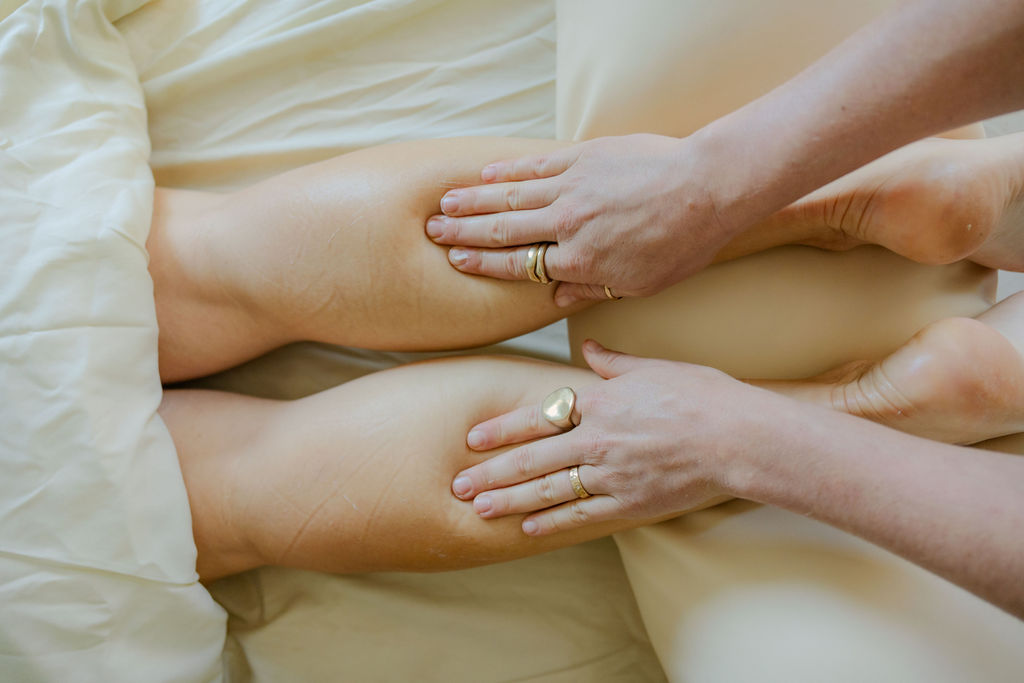
Pelvic Floor Dry Needling
Pelvic floor dry needling uses sterile, hair-thin needles to address muscular tension, trigger points, and myofascial restrictions in the pelvic region and surrounding musculature.
Treatment is always individualized. Depending on your symptoms and goals, we may work with the external pelvic floor, hips, glutes, abdomen, low back, or other structures that influence pelvic function.
All pelvic floor dry needling is performed externally. No internal pelvic floor examinations or internal needling techniques.
Concerns this approach may help with
Pain & tension
- Pelvic pain or muscular tension
- Overactive or tight pelvic floor muscles
- Pudendal neuralgia and pelvic nerve-related pain
- Pain with intercourse or sexual activity
- Pelvic muscle guarding
- Vulvar or vaginal pain when muscular tension is a contributing factor
- Tailbone or coccyx pain
Bladder & bowel concerns
- Overactive bladder, urinary urgency, and urinary frequency
- Urinary leakage associated with muscular dysfunction
- Constipation associated with pelvic floor tension
Movement & recovery
- Hip, groin, or low-back pain with a pelvic component
- Pregnancy-related pelvic, hip, or tailbone discomfort
- Postpartum pelvic tension and muscular dysfunction
- Athletic or movement-related pelvic dysfunction
- Muscular tension following abdominal or pelvic surgery

Stress & Sleep
Chronic stress from daily life, work, and responsibilities has a negative effect on our health. It can affect our digestion, immune system, reproductive system, and cardiovascular system. Studies have shown that constant stress experienced over a prolonged period of time can contribute to long-term problems for heart and blood vessels due to ongoing increase in heart rate, elevated levels of stress hormones, and elevated blood pressure. Stress speeds up our aging process.
Trouble falling asleep, waking during the night, or feeling unrested can make everyday life harder. Acupuncture may help improve sleep for some people with insomnia. We consider your sleep patterns, stress, and daily routines when planning care, using acupuncture as a complementary part of a broader approach to rest.
Ultimately, managing stress is one of our most powerful anti-aging and disease prevention tools.
Mental and emotional symptoms of chronic stress
- Depression or general unhappiness
- Anxiety or agitation
- Moodiness, irritability, or anger
- Feeling overwhelmed
- Loneliness and isolation
- Having difficulty relaxing and quieting your mind
- Having difficulty with focusing and remembering
Physical symptoms of chronic stress
- Low energy
- Headaches
- Insomnia
- Frequent colds and infections
- Aches, pain, and tense muscles
- Loss of sexual desire and/or ability
- Upset stomach, including diarrhea, constipation, and nausea
Our Approach
Acupuncture is proven to activate our Parasympathetic Nervous System (PNS) which governs “rest and digest”. When we are under stress, our Sympathetic Nervous Systems (SNS) or “flight or fight” response is active. Acupuncture’s ability to reset the body from a SNS to PNS states, is one of the first steps of managing stress.
Chinese medicine recognizes stress as a stagnation of energy. When the natural flow of energy within the body is stagnated, the function of all our organs and systems can suffer. There are specific acupuncture points and herbal formulas that are used to release this stagnant or stuck energy. We complement these “de-stressing” points with additional points to address secondary symptoms such as poor digestion, focus, or headaches.
We suggest weekly sessions to provide treatment and discuss strategies that can help you cope with anything that comes up in life.
Digestive Health
Digestive health plays an important role in how you feel each day. Your gut works closely with your immune system and communicates with your brain through a network of nerves and chemical signals. Caring for digestion is an important part of caring for your overall well-being.
Digestion breaks food down into nutrients that your gut absorbs, providing the fuel and building blocks your cells need for energy, growth, and repair. When eating brings bloating, pain, or discomfort, it can affect your meals, routines, and quality of life. Supporting healthy digestion helps your body make use of the nourishment you give it.
Acupuncture and herbal medicine can safely and gently treat the following conditions:
- Irritable Bowel Syndrome
- Constipation and/or Diarrhea
- Indigestion and Bloating
- Gastroesophageal Reflux Disease (GERD)
- Abdominal pain or nausea with eating
There are some digestive disorders that are chronic and may have genetic and autoimmune components. Although acupuncture and herbal medicine may not be able to cure these diseases, it can reduce inflammation and prevent flare-ups for the following:
- Ulcerative Colitis
- Crohn’s Disease
Our Approach
To treat digestive issues, we evaluate what you are putting in your body and how your body is able to process food.
It is important to give the body whole foods that it is able to process. A balanced diet that includes fresh fruits, vegetables, lean meats, and whole grains is recommended. We suggest limiting processed food, packaged food, coffee and alcohol as they can be very irritating to the gut lining. It is also important to limit sugar and dairy as they may exacerbate inflammation in the gut.
Some people may already be eating a healthful diet but still experience issues with digestion. In these cases, it is important to evaluate the nervous system. Our nervous system has two branches, the Sympathetic branch that governs “flight or fight,” and the Parasympathetic branch that governs “rest and digest.” If the body is in a constant state of stress, the Sympathetic branch is active. The body’s blood will be sent to the limbs and little energy will be dedicated to digestion.
We can use acupuncture to reset the nervous system and activate the Parasympathetic branch. This will send blood to the internal organs and dedicate energy to digestion. In a Parasympathetic state, peristalsis (wavelike movements in the gut) moves food through the digestive tract at an appropriate speed, allowing for better absorption and passage.
If food allergies are suspected to be the cause of discomfort, we will order a food allergy blood test.
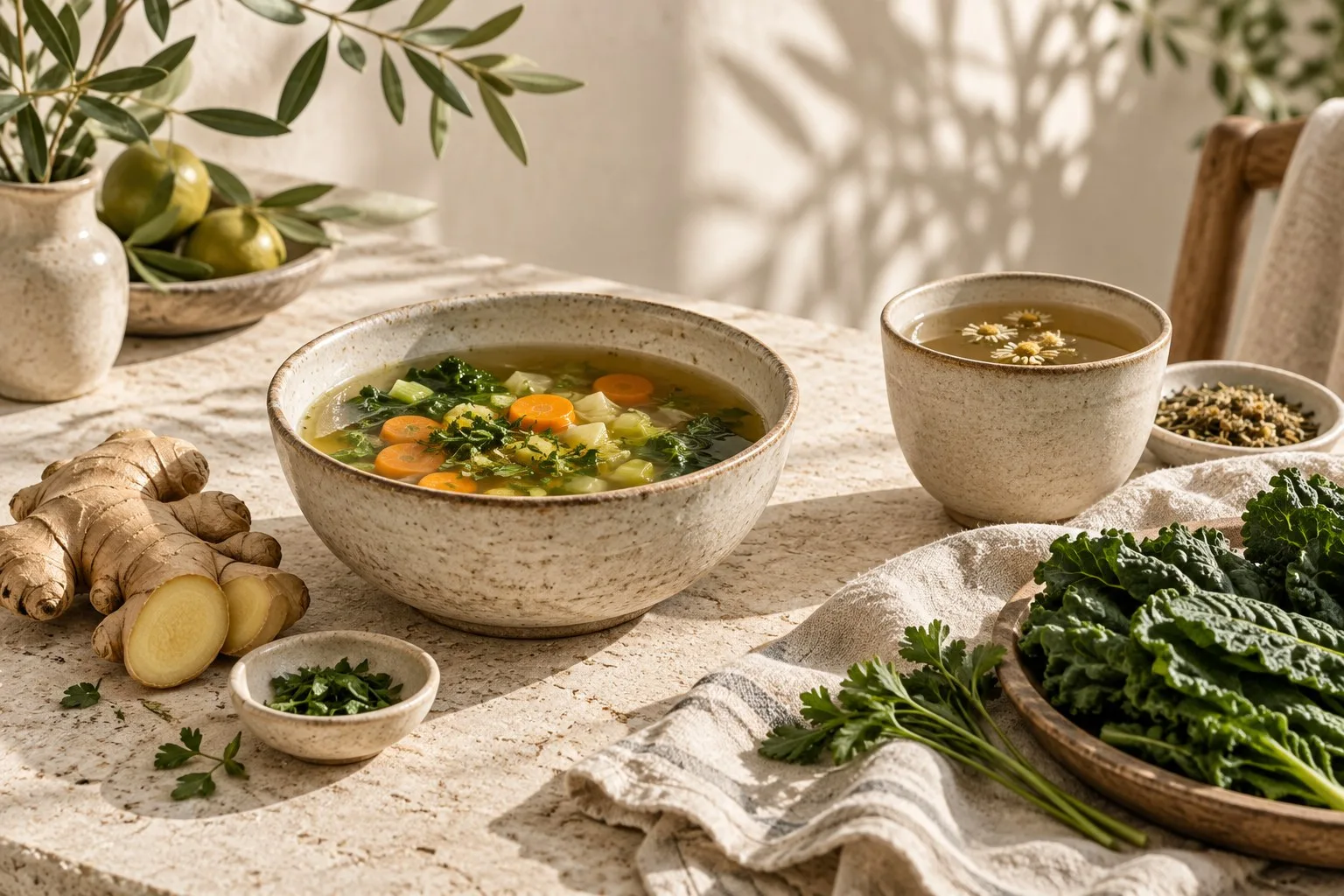
Learn About Our 28-Day Gut Reset
This 28-day cleanse is gentle and sustainable. It will reduce inflammation in the gut, improve absorption and elimination, and help you feel your best.
28-Day Cleanse Guide (PDF)Tips for Mindful Eating
- Before you eat, take 3 deep breaths. Relax your belly.
- Eat sitting down.
- Pay attention to your food, turn off the TV, set aside your phone.
- Notice the smells, textures, and taste.
- Eat in an environment that is calming and soothing.
- Allow at least 20 minutes to eat, try not to rush.
General Wellness
Wellness is much more than an absence of disease. Overall wellness, integrates the state of our mind, body, and spirit. One can easily be free of disease but not well. You may not feel your best and you know something is wrong, but you can still function.
Care for the whole person
- Anxiety and Depression
- Fatigue
- Hypothyroidism
- Insomnia
- Allergies
- Autoimmune Diseases
- Bell’s Palsy
- Side-effects of chemotherapy and radiation
Our Approach
Healing is ultimately a matter of balance. Chinese medicine offers fantastic tools to restore balance, alleviate symptoms, and get you feeling like yourself again. We hope that everyone can be well, healthy, and experience their full potential.
According to Chinese medicine theory, the body contains both yin and yang energies. Yang is our more active state, our physical energy; while yin is quiet and restful, our blood and fluids. We can experience health issues any time this balance of yin and yang is disrupted.
Modern life often contains an excess of yang. We are over-worked, busy, multitasking, and overstimulated. Yang excess puts the nervous system in sympathetic “fight or flight” mode. Chronic activation of the sympathetic nervous system leads to insomnia, an inability to properly digest and eliminate, headaches, a constant feeling of stress, and eventually fatigue. It also causes inflammation in the body which over activates the immune system, leading to allergies and autoimmune conditions.
A deficiency of yang can result from being in an overstimulated state for too long and eventually “burning out.” Early signs of yang deficiency are feeling cold, cold hands and feet, slow and weak digestion, loose bowel movements, lack of energy, and depression. Hypothyroidism and Raynaud’s disease can occur with yang deficiency.
An excess of Yin can develop from a lack of activity and the consumption of overly rich, fatty, greasy, sugary foods. Yin excess is seen as weight gain, lethargy, fatigue, foggy brain, and the accumulation of mucus. Yin excess makes one feel slow and unmotivated.
Yin deficiency occurs when we exhaust our energy reserves and begin burning out our blood and fluids. Yin deficiency signs are dry throat, dry skin and hair, feeling of heat in the chest or palms, feeling hot in the evenings, sweating at night, poor sleep, lower backache, weak knees, and frequent urination. In women, a decline in menstrual blood is seen. In addition, the body’s joints and tendons lose lubrication and become dry and achy.
To restore the body to optimal health, we identify imbalances of the yin and yang energies. We use acupuncture and additional tools such as herbal medicine, nutrition, and lifestyle recommendations, to rebalance the yin and yang. Once Yin and Yang are in harmony, disease symptoms begin to diminish.
Let’s start with how you feel.
We’ll help you find the right practitioner.