Eating for the Fall
As summer fades and the air starts to cool, I find myself naturally reaching for different things in the kitchen. Salads make way for roasted vegetables, iced drinks are swapped for warm teas, and there’s something especially comforting about a nourishing bowl of soup on a chilly day.
But the seasonal shift isn’t always quite so cozy. Many of us start noticing little changes in our bodies, too. Hello to dry skin, scratchy throats, and that all-too-familiar autumn cough.
In Traditional Chinese Medicine (TCM), autumn is associated with the Lungs and Large Intestine and is considered a season of dryness. It’s also a wonderful reminder to let the changing seasons guide what we eat. Just as we naturally gravitate toward lighter, fresher foods in summer, autumn encourages us to slow down, embrace seasonal produce, warming meals, and nourishing ingredients that help moisten the body.
Here are some foods I love incorporating into my autumn routine.
Sweet Potatoes and Pumpkin
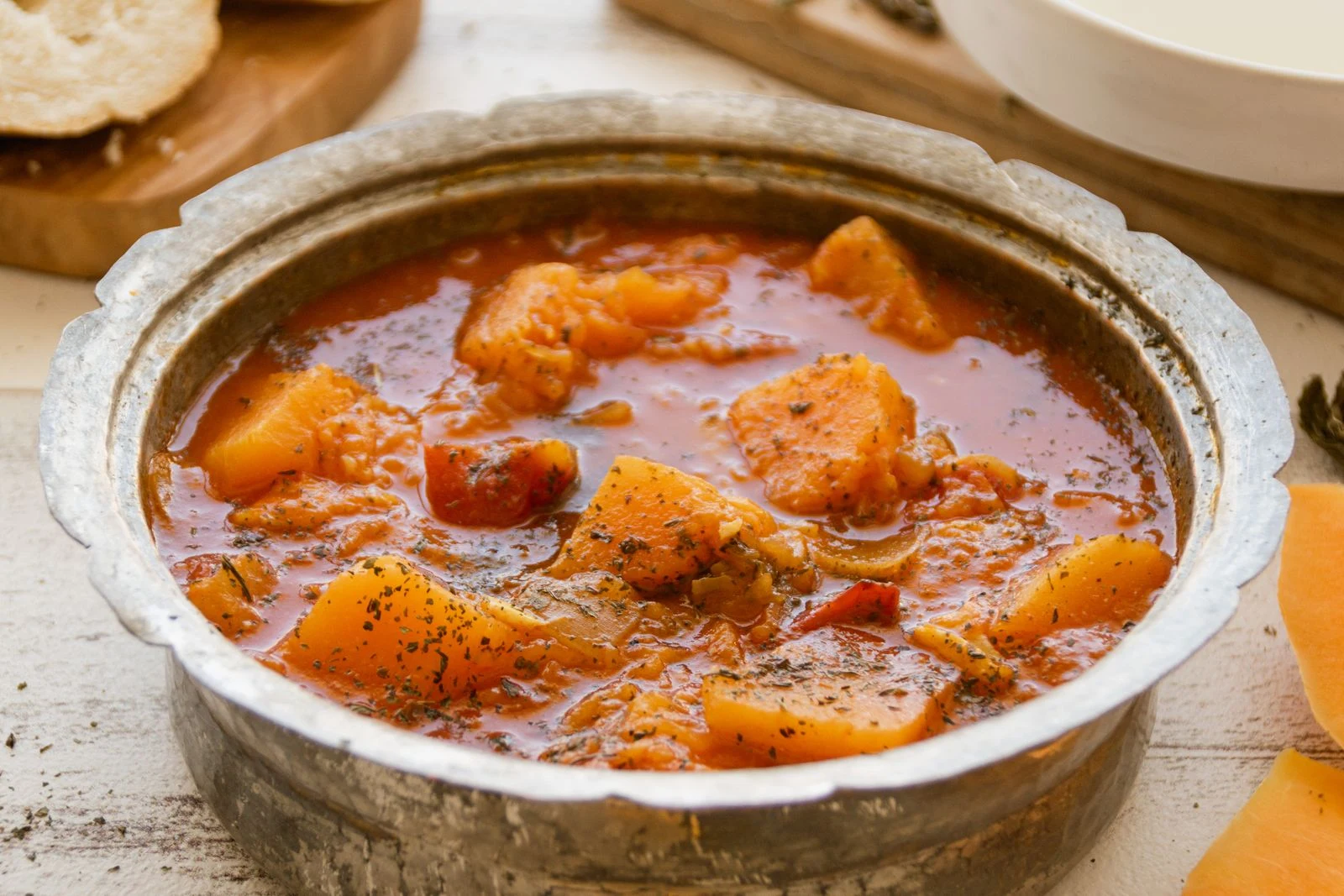
Naturally sweet and comforting, these seasonal vegetables are great additions to autumn meals. In TCM, the Spleen and Stomach are central to digestion and the transformation of food into Qi (the body's vital energy) and nourishment. Cooked foods with a naturally sweet flavor are traditionally used to support these systems. Here, "sweet" doesn't necessarily mean sugary treats. Instead, it refers to the gentle, naturally sweet taste of foods like sweet potatoes, pumpkin, carrots, and winter squash.
Try: Roast a tray of pumpkin, carrots, and sweet potatoes for soups and warm grain bowls.
Tremella Mushroom
Also known as snow fungus, tremella has long been treasured in Chinese food culture, especially in sweet soups and desserts. Traditionally associated with nourishing Yin and moistening dryness, it develops a beautiful silky texture when simmered.
Try: Add soaked tremella to a boiling pot with chopped pears and de-pitted jujube dates for an immunity and collagen boost.
One of the loveliest things about TCM food therapy is the reminder that nourishment doesn't have to be complicated. It can be as simple as choosing a warm breakfast, simmering a pot of soup, enjoying a juicy Asian pear, or taking a little extra time to prepare a meal that makes you feel good.